
Climate Control Built on Underground Temperature Stability
Geothermal HVAC Service in Brunswick for Homes & Businesses
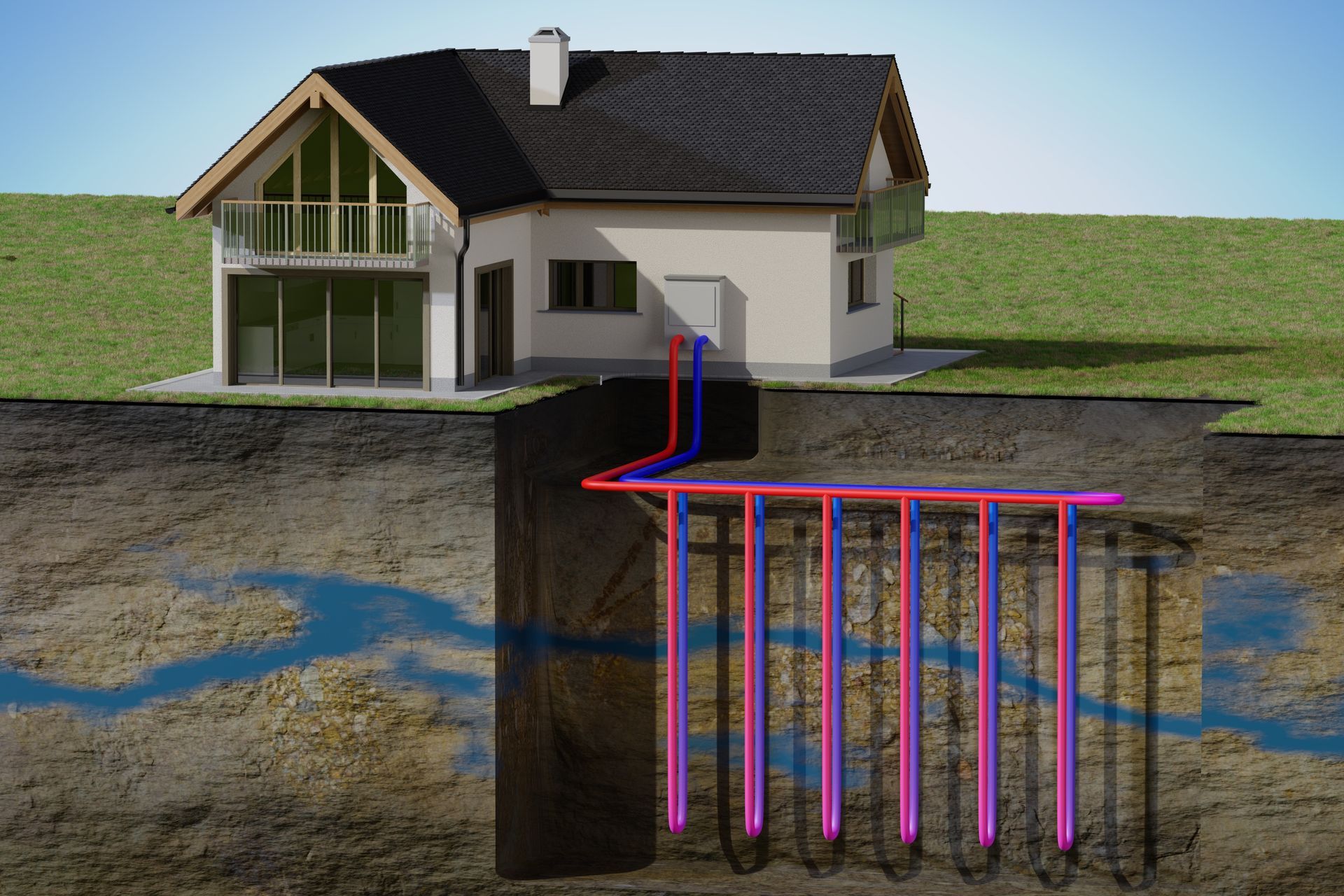
Geothermal heating and cooling works a little differently from a traditional HVAC system. Instead of using outdoor air to transfer heat, a geothermal heat pump uses the relatively stable temperature of the ground to heat and cool your property. When everything is working properly, geothermal systems can provide efficient, consistent comfort year-round.
ALPINE AIR LLC provides geothermal HVAC service in Brunswick, OH, and throughout the Greater Cleveland and Akron areas, helping homeowners and businesses troubleshoot performance issues, maintain existing systems, and keep their geothermal equipment operating reliably.
If your geothermal system is running longer than usual, struggling to reach the temperature on your thermostat, or switching between heating and cooling inconsistently, there could be an issue with the heat pump, circulation system, or underground loop. We'll evaluate the system as a whole to help determine what's causing the problem rather than guessing at the source.
Because geothermal systems rely on underground loops and fluid circulation, proper service requires an understanding of both the HVAC equipment and the ground-source system connected to it. Our team can evaluate loop performance, fluid temperatures, circulation, refrigerant operation, and other components that affect how efficiently your system transfers heat.
Having trouble with your geothermal system? Contact ALPINE AIR LLC to schedule an evaluation and find out what's affecting its performance.
What Geothermal Service Actually Addresses
When servicing a geothermal heat pump, we'll look at both the indoor equipment and the ground loop to determine where the problem may be occurring. This can include checking fluid temperatures entering and leaving the heat pump, evaluating loop pressure and circulation, and inspecting components such as the compressor and reversing valve.
Geothermal systems can also include components that aren't found in traditional HVAC equipment, such as water-to-refrigerant heat exchangers and desuperheaters used to help heat domestic water. Understanding how these components work together is important when diagnosing a geothermal system and determining the right repair or maintenance approach.
Once the source of the problem has been identified, we'll explain what we're finding and discuss the available options with you. The goal is to restore reliable heating and cooling while helping your geothermal system operate as efficiently as possible.
What Geothermal System Owners in Brunswick Typically Ask
Homeowners contact ALPINE AIR LLC with questions about ground-source heat pump service, particularly when system behavior changes or utility costs rise unexpectedly.
How do you diagnose a geothermal system that runs constantly but doesn't reach temperature?
Constant operation without reaching setpoint usually indicates insufficient heat transfer, which can result from low loop flow rates, air pockets in the piping, or refrigerant charge issues that reduce the heat pump's capacity. Diagnosing the problem involves measuring fluid flow, checking loop pressures, and testing refrigerant superheat and subcooling values.
What causes a geothermal heat pump to switch to auxiliary heat more often than it used to?
Increased reliance on backup resistance heat typically means the ground loop isn't delivering enough thermal energy to the heat pump, which can happen if loop fluid temperatures have drifted outside design range due to undersized loop fields or changes in soil moisture. Testing fluid temperatures at the heat pump and comparing them to manufacturer specifications determines whether the loop is functioning correctly.
Can geothermal systems lose performance over time even if nothing breaks?
Loop performance can degrade gradually if soil conditions around the piping change, if the system was installed with marginal loop capacity, or if fluid chemistry isn't maintained to prevent fouling inside the heat exchanger. Annual service checks help identify performance drift before comfort is noticeably affected.
Why would a geothermal system that worked fine for years suddenly start leaking?
Loop field leaks are uncommon but can develop if piping was damaged during installation, if fittings weren't fusion-welded correctly, or if soil movement stresses the buried lines. Locating a subsurface leak requires pressurizing the loop and using specialized equipment to trace the failure point.
What's included in routine geothermal maintenance beyond standard HVAC filter changes?
Geothermal-specific maintenance includes checking loop pressures, testing fluid flow rates, inspecting the circulation pump, verifying heat exchanger condition, and confirming that refrigerant charge hasn't drifted. These checks address components that don't exist in conventional heating and cooling equipment.
ALPINE AIR LLC works with geothermal system owners throughout Brunswick to maintain ground-source equipment performance and address issues specific to hydronic heat transfer. Contact us to arrange service for your geothermal heating and cooling system.